
 Facebook
 X
X
 Pinterest
 Copy Link
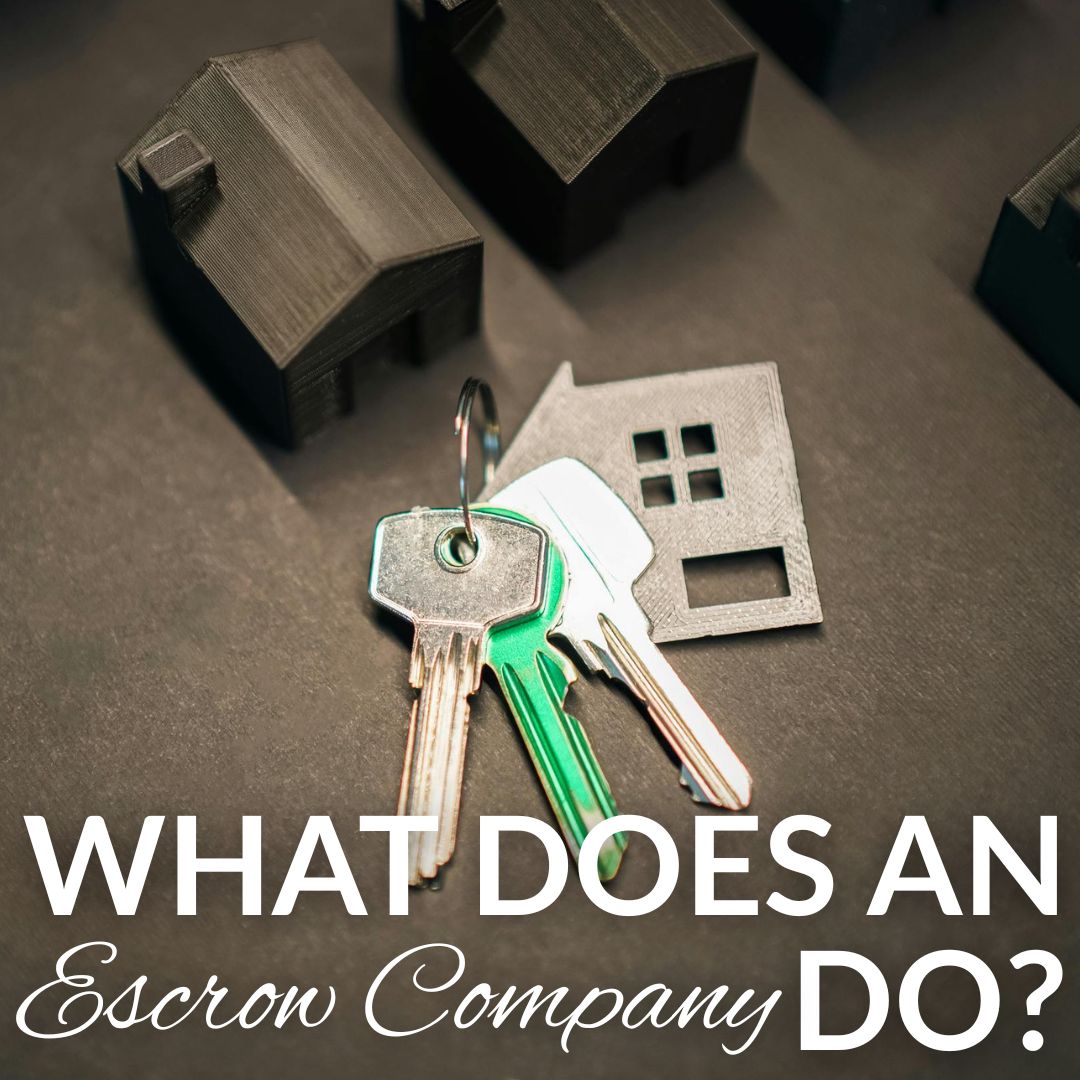
If you’re buying or selling a home, you’ll probably hear the word “escrow” quite a bit. But what does escrow actually do?
Simply put, escrow provides a neutral process for handling money, documents, and important transaction requirements until the conditions of the purchase agreement have been met.
What Does an Escrow Officer Do?
The escrow officer coordinates many of the details needed to complete a real estate transaction. Depending on the transaction, they may:
- Hold the buyer’s deposit
- Coordinate required documents and signatures
- Work with the buyer, seller, lender, title company, and real estate agents
- Receive and verify funds
- Coordinate the final closing process
- Disburse funds when the transaction is ready to close
Escrow helps ensure that money and documents are handled according to the terms of the transaction rather than being controlled by either the buyer or seller.
Is Escrow the Same as Title?
Not necessarily.
Title focuses on ownership of the property and potential title issues, while escrow focuses on coordinating the money, documents, and conditions necessary to complete the transaction.
In California, title and escrow services are often provided by the same company, but the responsibilities remain different.
Why Is Escrow Important?
Buying or selling a home involves significant amounts of money, sensitive documents, and many deadlines. Having a neutral third party coordinate these pieces helps provide structure and accountability during the closing process.
Your real estate agent helps you navigate the transaction, while your escrow officer helps make sure the contractual and financial pieces come together correctly.
The Bottom Line
Escrow is an important part of turning a signed real estate contract into a completed sale.
The escrow officer may work mostly behind the scenes, but they play a critical role in coordinating the final steps so the buyer receives ownership and the seller receives their proceeds when all closing requirements have been satisfied.
Next in our Who’s Who in Real Estate series: Why Is a Real Estate Appraisal Important?


