
 Facebook
 X
X
 Pinterest
 Copy Link
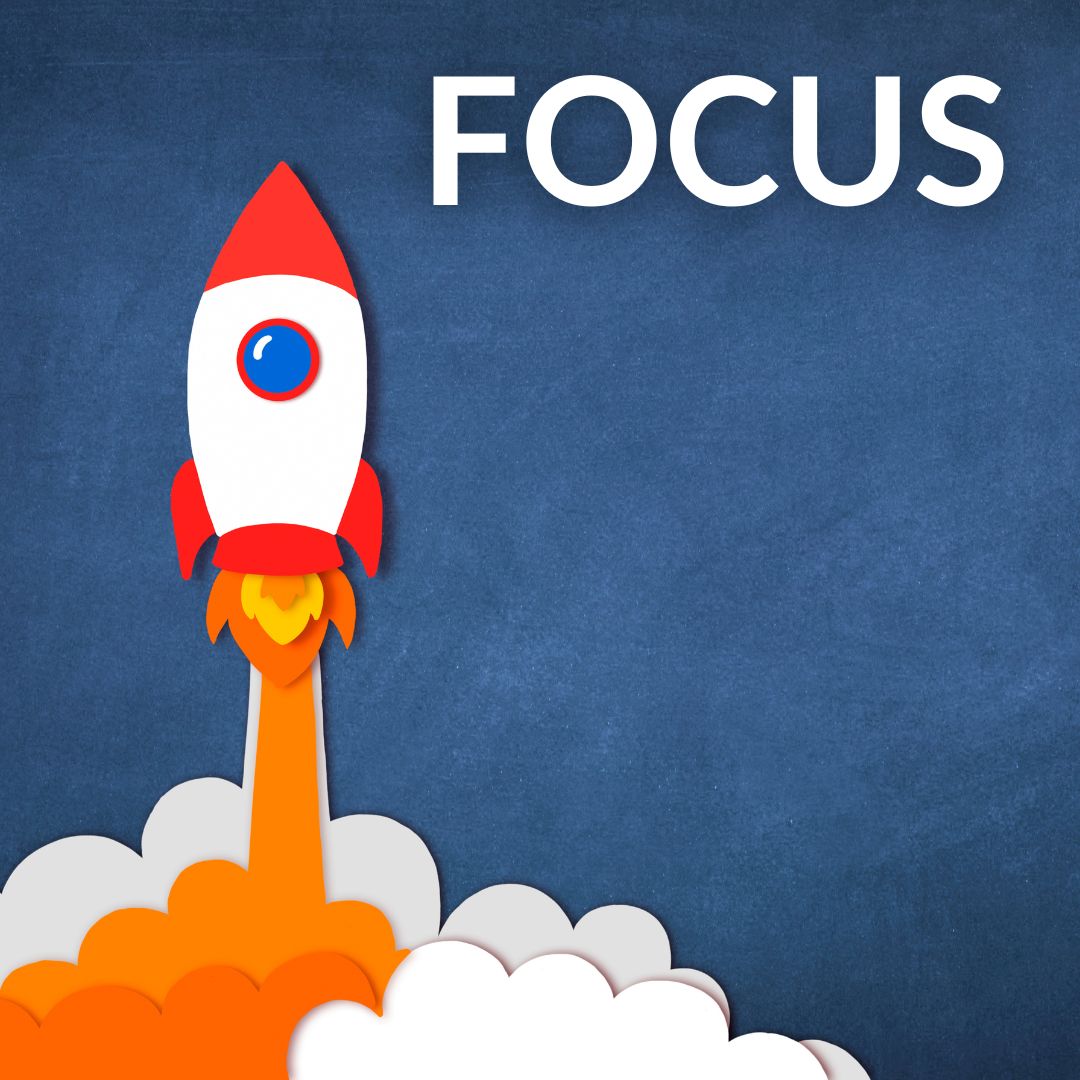
I am at my desk today watching the clock as the return of Artemis II approaches splashdown here in San Diego, California.
This week, I came across a quote from Jon Acuff:
“The distraction industry has scaled faster than our ability to focus.”
The contrast between those two items couldn’t be clearer.
On one hand, consider the Artemis II mission. It requires extraordinary precision. Thousands of people aligned around a single objective. Clear communication. Defined roles. Relentless preparation. No wasted motion. No unnecessary noise.
On the other hand, consider most of our daily work environments—constant notifications, shifting priorities, endless inputs competing for our attention.
It makes me think…
The gap between where we are and what we’re capable of isn’t talent—it’s attention.
Space missions like Artemis II don’t succeed because the people involved are less busy. They succeed because they are more aligned. Every action ties back to the mission. Every moment of focus is protected because it has to be.
In our day to day lives it’s easy to confuse activity with progress. We respond quickly. We stay busy. We chase new tools, new ideas, new opportunities.
But how often are we truly focused?
How often are we fully present in a conversation, deeply listening to a client, or intentionally working on the one thing that actually moves the needle?
Focus has become a competitive advantage.
Not because it’s complicated—but because it’s rare.
The agents, leaders, and professionals who stand out aren’t doing more than everyone else. They’re doing fewer things, better. They’re protecting their time, their energy, and their attention in a world that’s constantly trying to take it.
We may not be returning from the far side of the moon, but the principle is the same.
What we choose to focus on determines what we’re capable of achieving.


